When using protective film in extreme temperatures, you might run into some common problems
In very hot weather, for example, the film can become sticky or even melt a little. This can make it hard to remove later. If the film is too thin, it may not stay on well, and you might find it peeling off when it gets hot. In cold weather, the film can become brittle. This means it might crack or break when you try to apply it. Another issue is condensation. If the film is used in a cold area and then brought into a warm space, moisture can form between the film and the surface. This can lead to bubbles and make the film less effective. Sometimes, the adhesive on the film does not stick well if the surface it’s applied to is too cold or dirty. You must clean the surface before applying the film. Also, some films might not be flexible enough to stretch around corners or edges, leading to gaps. With CARLAS, you can find solutions to these challenges. The right protective film for cars can help avoid these issues, ensuring that your products stay safe and look good, no matter the temperature.
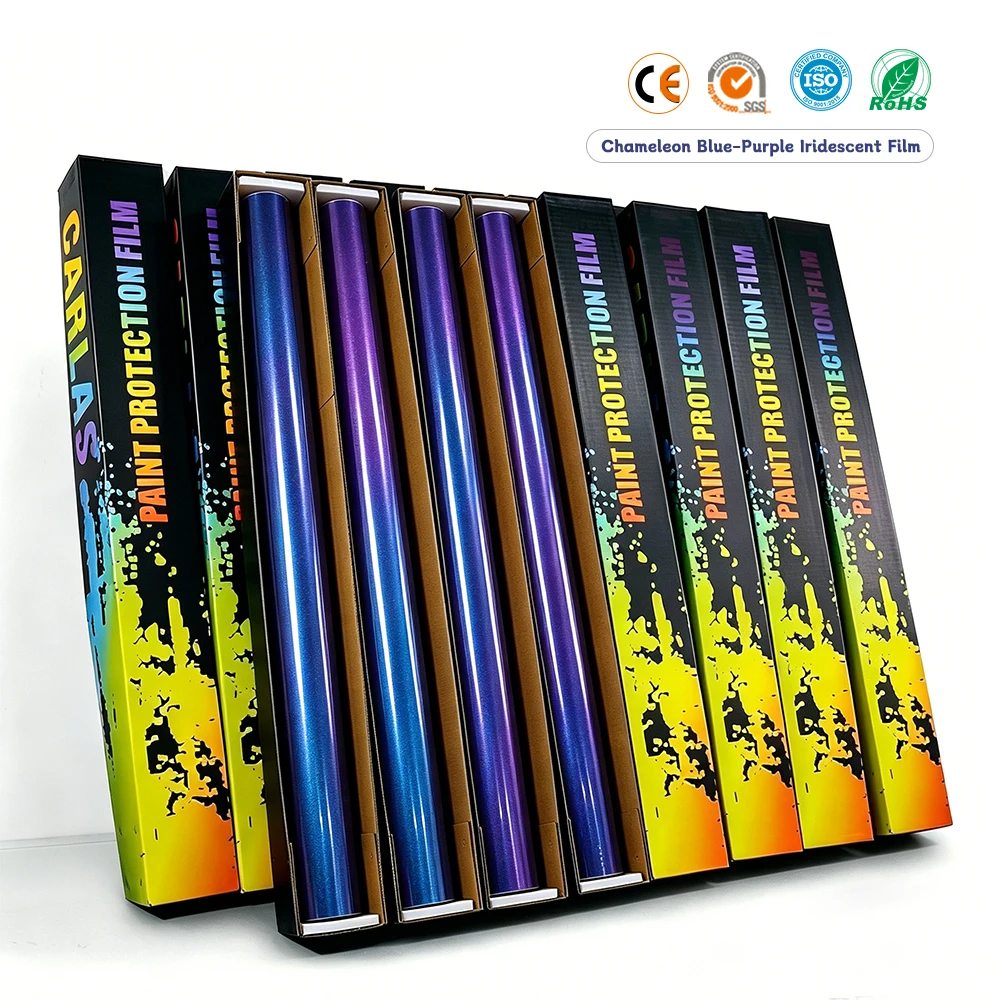
How to Ensure the Longevity of Protective Film Under Severe Temperature Conditions
To keep protective film working well in very hot or very cold weather, it’s important to follow some simple steps. First, always choose the right type of protective film for your needs. At CARLAS, we offer special films that can handle extreme temperatures. Before applying the film, make sure the surface is clean and dry. Dust, dirt, or moisture can make the film stick poorly and not last as long. When you put the film on, do it carefully to avoid bubbles or wrinkles. This helps the film stay stuck and do its job better.
Next, store the protective film properly before you use it. Keep it in a cool, dry place away from direct sunlight. Sunlight can damage the film even before you use it. If you expect very high or low temperatures, consider testing the film first. Try it out in a small area to see how it holds up. This way, you can be sure it will work well for your whole project.
Also, think about the materials that will be covered by the film. Some materials react differently to temperature changes. Make sure the film is suitable for those materials. With CARLAS protective film, you can have confidence that it will last longer, even in tough conditions. Finally, after applying the film, check on it regularly. Look for any signs of damage, like peeling or lifting. If you notice any problems, you can fix them before they get worse. By taking these steps, you can ensure that your protective film lasts a long time, even in extreme temperatures.
What Are the Benefits of Using Temperature-Resistant Protective Film for Your Products
Using temperature-resistant protective film for your products offers many benefits that can help keep them safe and looking good. One major benefit is that it protects items from damage caused by extreme heat or cold. For example, if you have a product that will be outside in the sun or in very cold weather, using CARLAS temperature-resistant film can keep it safe. This film acts like a shield, preventing scratches, dirt, and other damage that can happen because of the weather.
Another benefit is that the film helps keep the product clean. When products are exposed to harsh temperatures, dirt and grime can build up quickly. The 3m protective film makes it easy to wipe away dirt without harming the product underneath. This means your items can stay looking new for longer. Additionally, temperature-resistant protective film can help maintain the quality of the product. It keeps colors bright and surfaces smooth, which is important for items that need to look their best.
Using CARLAS protective film can also save you money over time. When your products are protected from damage, you won’t have to spend as much on repairs or replacements. This is especially helpful for businesses that want to keep their products in top shape. Lastly, using a quality protective film can improve customer satisfaction. When customers see that a product is well-protected and looks great, they are more likely to be happy with their purchase. This can lead to repeat business and positive reviews. Overall, using temperature-resistant protective film brings many advantages that help keep your products safe and appealing, no matter the weather.
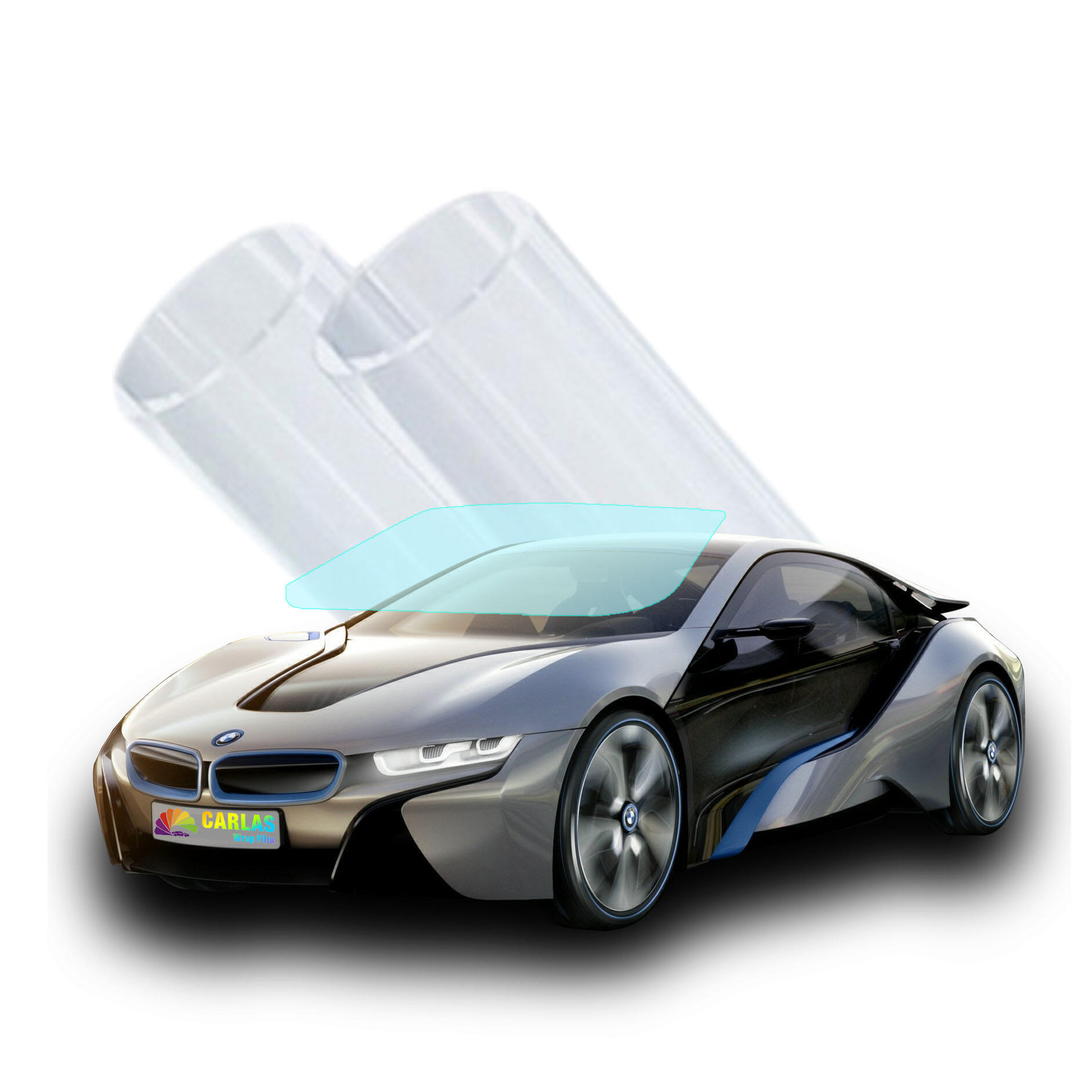
What Are the Key Features of Protective Film Designed for Extreme Temperature Stability
Protective films designed for extreme temperature stability have some key features that make them special and effective. One important feature is their ability to resist heat and cold without losing their stickiness. This means that even when the temperature changes a lot, the film stays in place and continues to protect the surface underneath. At CARLAS, our films are made with materials that can handle these changes, ensuring they remain strong and reliable.
Another key feature is flexibility
Protective films that work well in extreme temperatures can bend and stretch without breaking. This is important because products come in different shapes and sizes. A flexible film can cover all kinds of surfaces, making it very useful for many applications. Additionally, these films are often designed to be clear or nearly clear. This allows the original item to show through while still being protected. Customers can enjoy the look of their items while knowing they are safe from scratches and damage.
Moreover, 3m clear protective film for extreme temperatures are usually resistant to chemicals and UV rays. This means they can protect products not just from temperature changes but also from harmful substances and sunlight. This added protection helps keep items in great condition for a longer time. Lastly, these films are easy to apply and remove. This makes it simple for anyone to use them without needing special tools or training. With CARLAS protective films, you get a product that combines all these features, ensuring your items stay safe and look great, no matter what the weather is like.