What Are the Key Differences Between Bench Top and Trolley Style HV Hipot Test Equipment
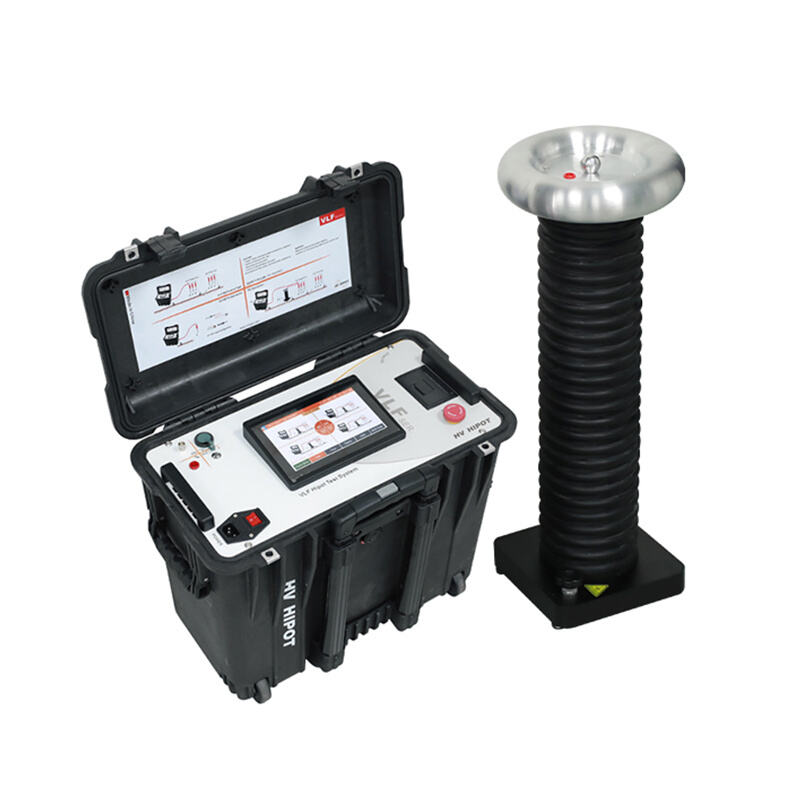
Bench top vlf hipot tester are small and compact. They are designed to sit on a flat surface like a workbench. This makes them easy to use in a lab or an office. You can connect your device directly to the tester and start the test right away. They often have a user-friendly design, which means you don’t need a lot of training to understand how they work. On the other hand, trolley style HV hipot testers are larger and come with wheels. This means you can move them around easily from one place to another. They are great for testing larger devices or when you have to test equipment in different locations, like on a factory floor. In addition, trolley style testers often have more features and higher power levels. This makes them suitable for heavy-duty testing. So, if you work with big machines or need to test multiple devices at once, a trolley style might be the better choice. But, if you need something simple and easy to handle, the bench top model is likely what you want.
How to Choose Between Bench Top and Trolley Style HV Hipot Test Equipment for Your Needs
Choosing between bench top and trolley style HV hipot testers depends on what you need them for. First, think about where you will use the equipment. If you are in a lab and only testing small devices, a bench top tester is often more practical. They don’t take up much space and can easily fit into tight spots. However, if your work involves larger equipment or if you need to move the tester around a lot, consider a trolley style. Trolley models can save you time and effort since you won’t have to carry heavy equipment. Next, think about the power levels you need. If your tests require high voltage, trolley style testers usually provide higher capacity. But for simple tasks, a bench top tester is often sufficient. Also, consider your budget. Bench top testers are usually less expensive than trolley models, so they can be a smart choice if you are just starting out or if you have a limited budget. Finally, make sure to look into the features of each type. Some testers come with special functions like automatic testing or data logging, which can save you a lot of time. At HV HIPOT, we offer various models to fit different needs, so you can find the perfect solution for your testing requirements.
Bench Top vs. Trolley Style
When it comes to vlf ac hipot tester equipment, there are two main types: bench top and trolley style. Let’s start with bench top HV Hipot testers. These machines are usually small and sit on a table or desk. They are great for testing electrical devices in a workshop or lab. Bench top testers are known for their accuracy and ease of use. They have a simple design, which makes it easy for technicians to operate them while working on other tasks. Bench top testers are often used for testing smaller devices, like wires, cables, and small appliances.
On the other hand, trolley style HV Hipot testers are larger and come with wheels. This means you can easily move them around. Trolley style testers are perfect for larger projects or when you need to test equipment at different locations. For example, if a team needs to test big machines or generators on a construction site, a trolley style tester would be the better choice. These machines are built to handle tougher environments and can be used outdoors. They also have more power, which allows them to test bigger devices safely.
In summary, the main difference between bench top and trolley style HV Hipot testers is where and how they are used. Bench top testers are best for smaller, precise tests in a fixed location, while trolley style testers are designed for larger tests that need to be done in various places. Both types are important in ensuring electrical safety, but they serve different purposes depending on the testing environment.
What Wholesale Buyers Need to Know About Bench Top vs. Trolley Style HV Hipot Test Equipment
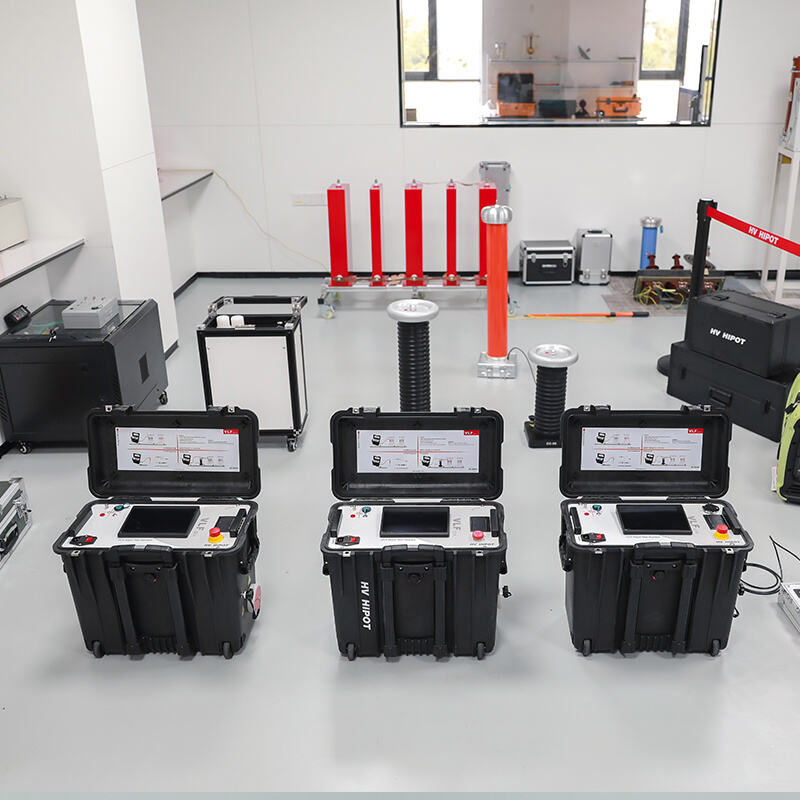
Wholesale buyers looking for HV Hipot test equipment should know that choosing between bench top and trolley style testers depends on their specific needs. First, they should consider what type of testing they will be doing. If they mostly test smaller items in a lab, bench top testers are a good fit. These machines are usually less expensive, making them a smart choice for buyers on a budget. They are also easier to store and take up less space, which can be important if the workspace is limited.
On the other hand, if a buyer plans to test large machinery or equipment in different locations, they should look at trolley style HV Hipot testers. Even though these machines cost more, they offer more versatility and power. Buyers should also think about the durability of the equipment. Trolley style testers are built to withstand rough conditions, making them a better investment for outdoor use. Wholesale buyers should also pay attention to the features of each type. Trolley style testers often have advanced safety features and better user interfaces, which can make testing easier and safer.
Another thing to consider is the training required for using these machines. Bench top testers are typically easier to learn, while trolley style testers might need more training due to their advanced features. Buyers should also think about maintenance. Trolley style testers might require more upkeep because they are used in different environments. Overall, understanding the difference between bench top and trolley style HV Hipot testers will help wholesale buyers make the best choice for their business needs.
What Makes Trolley Style HV Hipot Test Equipment Ideal for On-Site Testing
Trolley style HV Hipot test equipment is made for on-site testing, and there are many reasons why it is ideal for this purpose. First, the design of these machines includes wheels, making them easy to move around. When technicians go to different locations to test equipment, being able to roll the machine makes the job much easier. They can easily transport it from one area to another without needing extra help. This is especially important in places like construction sites or factories, where space can be tight and moving heavy equipment is often difficult.
Another reason trolley style testers are great for on-site work is their power. These machines are built to handle larger tests, making them suitable for bigger electrical devices and systems. On-site testing often involves dealing with large machinery, and trolley style testers can provide the high voltage needed for these tests. This ensures that the equipment is safe and meets safety standards, which is crucial for preventing accidents.
Trolley style HV hipot tester also often come with advanced safety features. When testing high voltage equipment, safety is a top priority. These machines have built-in systems that help protect the user from electrical shocks and other hazards. This is important when working in environments where safety is critical. Furthermore, many trolley style testers are designed to withstand tough outdoor conditions, so they can work well even in bad weather.
trolley style HV Hipot test equipment is perfect for on-site testing because of its mobility, power, and safety features. With their ability to easily move around and perform high voltage tests, they are essential tools for technicians who work in various locations. Companies like HV HIPOT provide reliable trolley style testers that help ensure safety and efficiency in the field.